Selling Your Luxury Home in Indian Hill: A Proven Plan
January 1, 2026
January 1, 2026
You do not sell an Indian Hill estate the same way you sell a typical suburban home. The property is more complex, the buyer pool is narrower, and privacy matters at every step. If you are considering a move, you want a plan that protects your time and delivers a strong result without unnecessary risk. In this guide, you will learn a proven, white-glove approach to pricing, preparation, media, distribution, and project management tailored to the Village of Indian Hill. Let’s dive in.
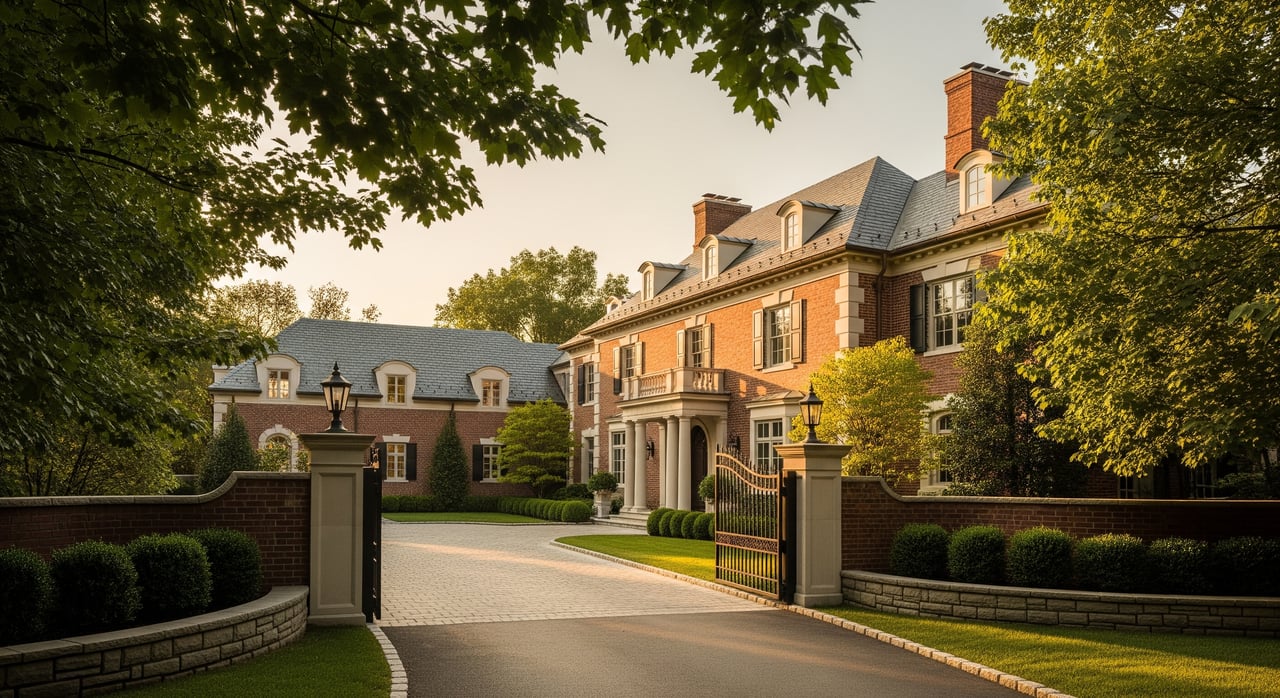
Indian Hill is defined by large lots, estate homes, mature landscapes, and low commercial density near Cincinnati. Buyers value privacy, land, and convenient access to regional amenities. Many properties include equestrian facilities, guest houses, pools, and wooded views.
Your likely buyer groups include:
These buyers often use cash or jumbo financing and expect a streamlined process. A tailored strategy that respects privacy and showcases land, amenities, and condition will help you command optimal value.
Start with a full property evaluation. Arrange structural, roof, HVAC, electrical, plumbing, and septic or sump systems inspections as appropriate to the home’s age and features. Address safety items and service major systems before listing. This reduces contingencies, appraisal surprises, and last‑minute renegotiations.
Sort updates into three buckets: high‑impact cosmetic tasks, necessary repairs, and value‑adding upgrades. Prioritize items that move the needle for luxury buyers, such as kitchen or bath refreshes, driveway and entry improvements, lighting upgrades, and landscape curb appeal. The goal is to lift perceived value without overspending on changes buyers are likely to personalize later.
Use professional staging scaled to the square footage and ceiling heights. Consider partial or virtual staging if the home is occupied or spans very large rooms. Outside, enhance seasonal landscaping, trim trees, freshen mulch, clean hardscapes, and ensure the pool and outdoor living spaces present well. Remove personal items to create a neutral, aspirational setting where buyers can envision their life.
Prepare a thorough disclosure package in advance. Include recent inspections, utility histories, maintenance records, system and appliance warranties, property surveys, and any HOA or easement documents. If available, add energy‑efficiency details, past appraisals, and a set of neighborhood comparables. Having this material ready builds buyer confidence and supports value.
Plan for secure access and discreet showings. Store or remove valuable personal property during tours. Vet buyers in advance and schedule private showings that minimize disruption to your routine while preserving privacy.
High‑resolution photography is essential. Capture interiors, exteriors, aerial drone perspectives, and twilight images that highlight architecture and outdoor lighting. A cinematic video with a guided walkthrough can tell a clear story about flow, outdoor living, and unique amenities like riding rings, guest quarters, and gardens.
Add accurate floor plans with room dimensions and a 3D virtual tour for out‑of‑town buyers and their advisors. Consider virtual staging for vacant rooms and schematic renderings to help buyers understand potential improvements. These assets prequalify interest and reduce unnecessary showings.
Create a dedicated single‑property site with a downloadable brochure, media gallery, and inquiry form. Pair it with a luxury print brochure for private previews, broker events, and showings. Consistent, high‑quality design signals care and supports higher pricing.
Indian Hill estates can vary widely by acreage, age, and amenity sets. A pricing‑band framework helps you position value and adjust with discipline.
In some cases, it can be smart to start at the premium band through curated, private outreach to protect privacy and test demand before a public launch.
Start with off‑market previews when privacy is a priority or the home’s uniqueness suggests a targeted approach. Host private broker events, targeted previews for top agents and local wealth managers, and vetted showings for qualified buyers. Use clear qualification protocols, including proof of funds or pre‑approval and context for the move.
Conduct personal outreach to brokers in Cincinnati and feeder markets such as Columbus, Cleveland, Chicago, and New York. Share a concise property brief, digital brochure, and video teaser. Engage relocation companies, private client advisors, and corporate HR teams to surface transferees who value acreage and proximity to Cincinnati.
Tap the brand’s luxury marketing channels to extend reach across luxury portals, social platforms, curated galleries, and print or digital magazines. This is especially effective for out‑of‑market buyers who want privacy and land near a major metro. Confirm placements, audience targeting, available analytics, and lead times for any print features so timing aligns with your launch plan.
A disciplined sequence keeps your sale on track:
Key vendors include general contractors, licensed trades, landscape designers, professional stagers, photographers and videographers with drone capability, floor‑plan and 3D providers, designers for brochures and property briefs, and title or escrow attorneys.
Use clear metrics to make timely adjustments:
Agree on a review cadence before launch so pricing or exposure changes are proactive and not ad hoc.
Both approaches can work. Private marketing prioritizes privacy and curated access. It pairs well with an aspirational pricing band or when comparables are limited. A public listing maximizes exposure and can broaden competition, which supports the market‑value band or a well‑priced conservative approach. Choose the path that fits your privacy preferences, pricing‑band strategy, and the property’s uniqueness.
Luxury appraisals can be challenging when direct comparables are scarce. Expect some buyers to bridge appraisal gaps or bring higher down payments. Strong staging, thorough documentation, and a clear list of improvements help appraisers and lenders understand value. For occupied estates, rely on scheduled private showings with pre‑qualified buyers to protect privacy. For taxes and closing costs, consult the Hamilton County Auditor and your CPA or closing attorney for accurate figures.
You want boutique attention with big‑platform reach. A small, senior‑led team can coordinate inspections, vendors, staging, and cinematic media; set pricing bands with data; manage private previews; and activate Coldwell Banker luxury channels for broad exposure. The result is a calm, organized process that protects your time and aims for the strongest outcome.
Ready to see how this plan maps to your property? Connect with Luther Group Real Estate to walk through a tailored assessment and timeline.
Stay up to date on the latest real estate trends.
We pride ourselves in providing personalized solutions that bring our clients closer to their dream properties and enhance their long-term wealth.
LUTHER GROUP REAL ESTATE
9321 Montgomery Road Cincinnati OH 45242 Coldwell Banker Realty