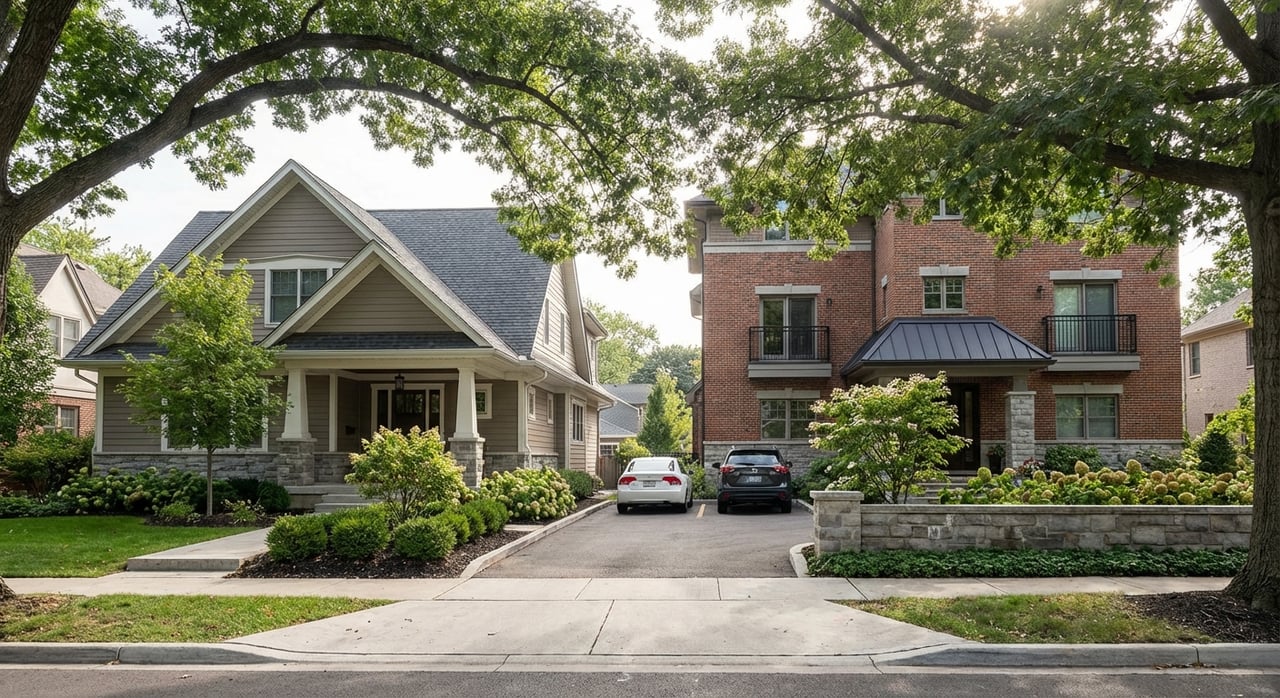
Hyde Park Condos vs. Houses in Hamilton: What Fits You?
February 19, 2026
February 19, 2026
Choosing between a condo and a house can shape your daily routine, budget, and resale options for years. If you’re looking around Hyde Park in Hamilton, you probably want clear pros and cons without the hype. In this guide, you’ll get local pricing context, lifestyle tradeoffs, and quick checklists you can use before you write an offer. Let’s dive in.
Quick note so we’re on the same page: here we’re talking about the Hyde Park Drive area of West Hamilton (ZIP 45013), not the larger Hyde Park neighborhood in Cincinnati. In Hamilton, “Hyde Park” is primarily a residential street and nearby blocks with mid‑century single‑family homes.
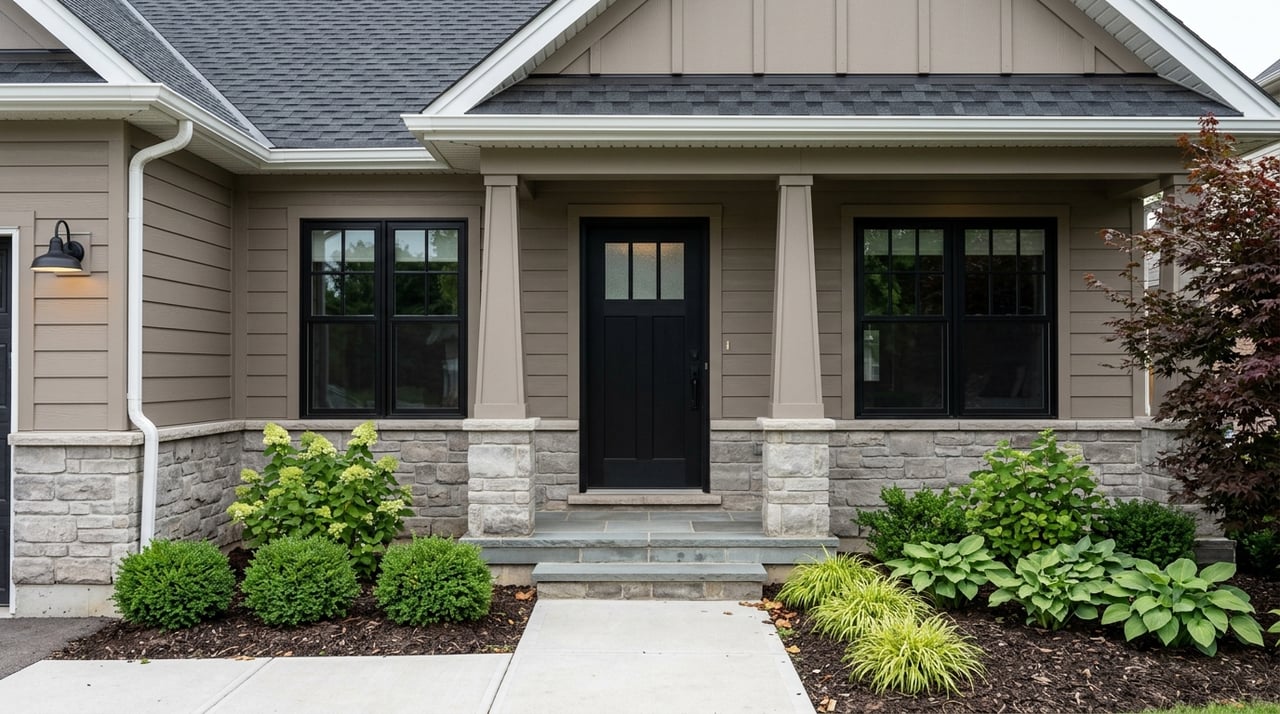
The Hyde Park Drive area is dominated by single‑family homes, often ranch or Cape Cod style from the mid‑20th century. You’ll see driveways, garages, and manageable yards on many listings. For example, a 415 Hyde Park Drive listing highlights the typical mix of garage parking and outdoor space you can expect here.
Condos and townhomes do exist elsewhere in Hamilton, but they are not concentrated on Hyde Park Drive itself. If a condo is on your shortlist, you’ll likely look a bit beyond this immediate pocket to small complexes or conversions around the city.
At the city level, prices vary by neighborhood and property type. As of January 2026, Zillow’s Hamilton home values snapshot shows a median sale price near $250,000 and a home value index around $290,000. On Hyde Park Drive specifically, recent listings have asked from the low to mid $200Ks up to the low $300Ks. Citywide condo sales show a wide range, with some smaller units trading around the low $80Ks to roughly $125K depending on size, condition, and building.
Hyde Park Drive is a quiet residential area. A listing for 415 Hyde Park Drive reported a Walk Score around 18, which means most errands require a car. You’re a short drive from Millikin and Miami parks, plus regional destinations like Pyramid Hill Sculpture Park and downtown’s RiversEdge amphitheater for seasonal concerts and events. Many residents commute across the broader Cincinnati metro, so easy highway access and low‑density living are part of the value proposition here.
Ohio’s HOA and condo laws authorize associations to collect dues, maintain common elements, adopt rules, and place liens for unpaid assessments. In serious cases, associations can even foreclose for unpaid assessments. Before you buy, review the financial health of the community and the rules that will apply to you. Start with the declaration, bylaws, budget, financials, reserve study, meeting minutes, and insurance certificate. Learn more about the framework in this Ohio HOA law primer.
Some loan programs require condo projects to meet specific underwriting standards. If a building is not “warrantable,” it can limit the types of loans available or require a higher down payment. Lenders often request a condo questionnaire and may ask the HOA for occupancy ratios, delinquency rates, budgets, and litigation history. A simple overview of condo warrantability and due diligence can help you know what to expect from your lender.
On resale, Hamilton’s buyer pool for single‑family houses is larger than for small condo complexes. That broader demand can support liquidity for well‑maintained homes near Hyde Park Drive, while condo resale can depend more on the health and reputation of the specific association.
Below is a simple, apples‑to‑apples look at two common paths in Hamilton. These are illustrative, not quotes.
| Feature | Hyde Park Drive house example | Hamilton condo example |
|---|---|---|
| Price context | Recent Hyde Park Dr. listings in the low to mid $200Ks up to low $300Ks; see 415 Hyde Park Dr | Select condos historically around $80K to ~$125K; see 836 Gordon Smith Blvd |
| HOA fee | None | Around $110 per month on some buildings |
| Parking | Driveway plus garage common on Hyde Park Dr. | Often 1 assigned space; limited guest parking varies by building |
| Outdoor space | Private yard and landscaping you control | Limited to patios/balconies and shared grounds |
| Walkability | Quiet, car‑dependent residential street | Varies by complex; check each site’s walk score and transit access |
| Monthly cost building blocks | Mortgage + property taxes + homeowners insurance + utilities + maintenance | Mortgage + property taxes + HO‑6 condo insurance + utilities + HOA fee |
How this plays out month to month:
Use these quick prompts to match the property type to your lifestyle and risk profile:
In Hamilton’s Hyde Park Drive area, single‑family homes offer private outdoor space, flexible parking, and broad buyer appeal. Condos elsewhere in the city can deliver a lower upfront price and low‑maintenance living, but they introduce HOA rules, dues, and lender project reviews. As of January 2026, citywide median prices sit near $250,000 with a value index around $290,000, which helps frame both options within the broader Hamilton market.
If you want a quick decision rule: prefer a condo for simplicity and entry price; prefer a house near Hyde Park Drive for space, privacy, and wider resale demand. When you are ready to compare live listings and run true monthly cost scenarios, reach out to Luther Group Real Estate for a local, data‑driven game plan.
Stay up to date on the latest real estate trends.
We pride ourselves in providing personalized solutions that bring our clients closer to their dream properties and enhance their long-term wealth.
LUTHER GROUP REAL ESTATE
9321 Montgomery Road Cincinnati OH 45242 Coldwell Banker Realty