Living in Indian Hill Ohio: Estates, Privacy & Daily Life
February 5, 2026
February 5, 2026
Craving space, quiet, and a true estate feel without leaving Greater Cincinnati? If you are drawn to tree-lined lanes, privacy, and room for hobbies like horses or gardening, the Village of Indian Hill may be on your shortlist. In this guide, you will learn how Indian Hill lives day to day: the housing and lot patterns, lifestyle and amenities, driving and transit realities, costs, and what to verify before you buy. Let’s dive in.
Indian Hill is an affluent, low-density village in Hamilton County. The community plans for a rural, estate-like setting with large parcels, mature trees, and winding roads. Village governance emphasizes preserving open space and privacy through zoning and careful permitting. Retail inside the village is limited, so most errands happen in nearby commercial hubs.
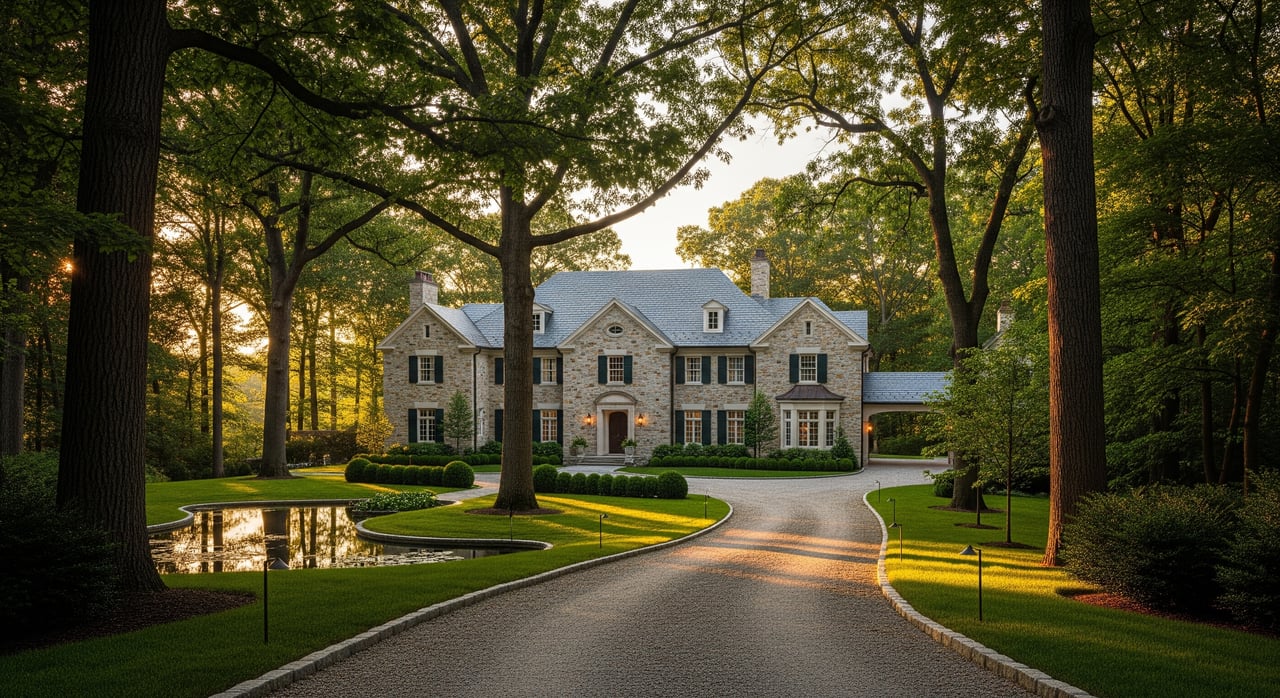
Homes range from historic manor houses to newer custom builds, often situated on multiple-acre lots. The development pattern favors single-family homes and privacy over attached housing. You will find properties with long private drives, expansive lawns, and mature landscaping.
Common styles include Colonial and Georgian revivals, classic American vernacular, and contemporary custom designs. Many older estates have been renovated to modernize systems and interiors while preserving the grounds. Expect a mix of original character and thoughtful updates across the housing stock.
Local zoning supports low-density living. Minimum lot sizes and subdivision standards are designed to protect sightlines and the village’s rural character. If you plan to add onto a home or develop a parcel, review setbacks and permitted uses early.
Many large properties use private wells and septic systems rather than municipal sewers. You should verify utility type, septic capacity and inspection history, and well depth and water quality during due diligence. Driveways are typically private, while road access is generally public.
Some areas prioritize preserving historic homes and landscapes. You may encounter conservation easements or restrictive covenants that guide how land can be used. Confirm recorded easements and any preservation overlays before you finalize a purchase.
Equestrian facilities are a notable part of daily life for many residents. Some estates feature private barns, paddocks, and arenas, and there are boarding and training options in the area. If you plan to keep horses on-site, check zoning, setbacks, and permitting, including manure management and stall requirements.
Large wooded parcels and scenic roads support a quiet, outdoorsy lifestyle. Walking, birdwatching, and informal trail access are common for residents who value time outside. The landscape and spacing between homes contribute to a sense of calm and privacy.
Indian Hill is served by the Indian Hill Exempted Village School District. The district is well regarded in the region; confirm current performance data, boundary maps, and enrollment policies through official sources. Private schools are also available across Greater Cincinnati.
Day-to-day retail and dining options are limited within the village itself. Residents often head to nearby areas such as Kenwood, Montgomery, and Hyde Park for shopping, restaurants, and entertainment. Major medical centers and specialists are located in Cincinnati.
Indian Hill residents often join regional country clubs, golf courses, and private organizations in the eastern suburbs. Cultural amenities in Cincinnati, including theaters, museums, and the symphony, are within a reasonable drive.
Most residents commute by car to downtown Cincinnati or suburban employment hubs. Driving access is relatively direct, though travel times vary by exact location and traffic conditions. If commute time is important, plan sample drives during peak and off-peak hours.
Cincinnati/Northern Kentucky International Airport (CVG) is reachable within a regional drive. Actual timing depends on route and traffic, so test the drive based on your travel patterns.
Walkability is low for daily errands due to large lots and limited retail nodes. Public transit options are more limited than in urban neighborhoods. In practice, car ownership is necessary for most errands and activities.
Indian Hill’s housing market has higher price points and fewer listings compared with typical suburbs. Turnover can be slower because many properties are long held. Inventory is heterogeneous, from historic estates to new custom builds, which can lengthen the search for the right fit.
Plan for higher ongoing costs that align with larger homes and acreage. Key drivers include property taxes, utilities, landscaping and grounds care, driveway and outbuilding maintenance, and specialized systems like wells, septic, and equestrian facilities. Renovations for older estates can be significant, particularly for roofs, foundations, mechanicals, and site infrastructure.
Lenders are familiar with high-value and custom properties but may require more documentation, detailed appraisals, or extra review for unique homes or large parcels. Insurance can be higher due to replacement costs and any equestrian-related risks. Work with brokers experienced in estate and equestrian coverage.
Before you make an offer, verify the details that matter for estate living:
Here is a quick way to think about the trade-offs:
If the combination of land, privacy, and a refined countryside lifestyle appeals to you, Indian Hill delivers. The key is to match your wish list with the right parcel and to handle the details upfront so the property lives the way you expect.
You do not need to navigate this alone. For private previews, site-specific due diligence, and a clear plan from offer through close, connect with Luther Group Real Estate. Our team combines local Indian Hill expertise with a process-driven approach that helps you buy with confidence.
Stay up to date on the latest real estate trends.


We pride ourselves in providing personalized solutions that bring our clients closer to their dream properties and enhance their long-term wealth.
LUTHER GROUP REAL ESTATE
9321 Montgomery Road Cincinnati OH 45242 Coldwell Banker Realty