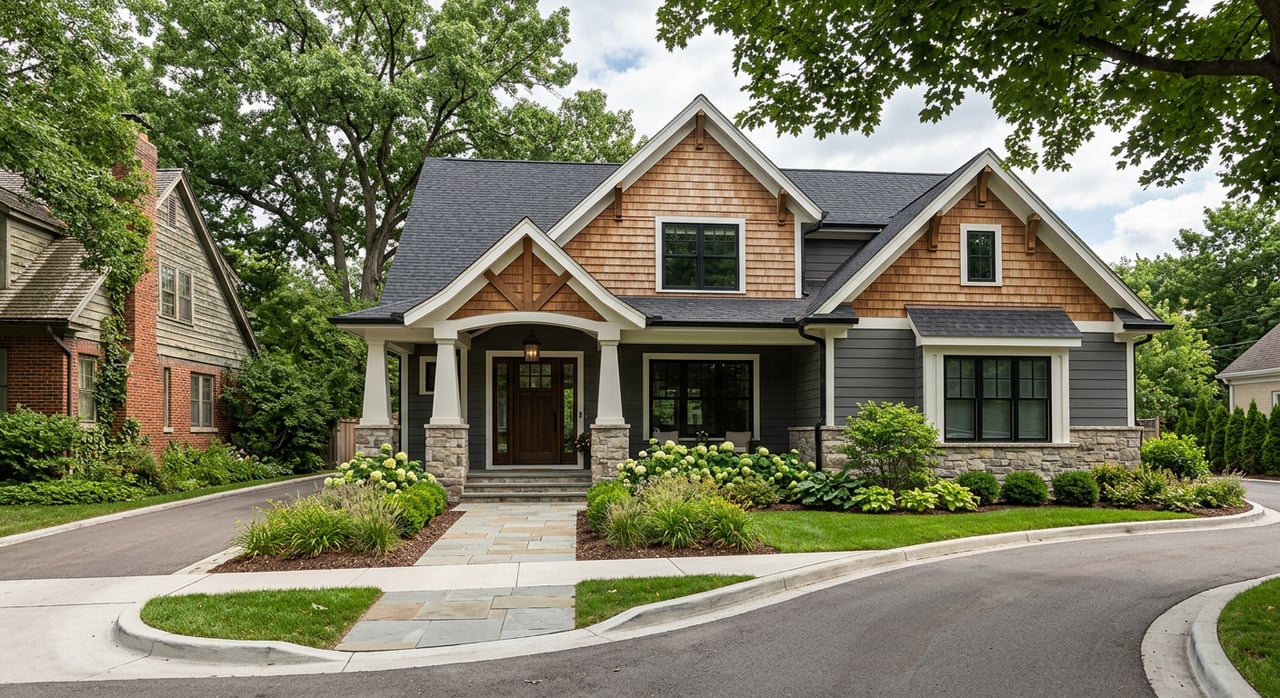
New Construction And Teardowns In Madeira Explained
March 24, 2026
March 24, 2026
Should you renovate, tear down, or build new in Madeira? With strong buyer demand and limited land, the right move can add real value, but the wrong step can waste time and budget. You want a clear playbook that explains zoning, permits, timelines, and how pricing works here. This guide breaks it down so you can move forward with confidence. Let’s dive in.
Madeira’s location and demand profile make it a natural fit for infill new construction. It is a compact city with about 9,500 residents and a median owner-occupied housing value of $484,200, according to U.S. Census QuickFacts. Proximity to Cincinnati and Kenwood, a small-town feel, and a walkable core attract buyers who want modern homes close to daily needs.
Local coverage of school performance reinforces that many buyers look at Madeira for education-driven reasons. A regional roundup from CityBeat noted Madeira among strong districts listed by Niche, which is one reason demand stays high and stable for family buyers (CityBeat coverage of Niche’s rankings).
On the supply side, Madeira covers only about 3.35 square miles, so greenfield land is scarce. Growth often happens by replacing older, smaller homes with larger new ones or by adding attached product where zoning allows. This tight footprint increases the value of buildable lots and supports teardown-to-new-build activity (Census QuickFacts).
If you remember one thing, make it this: the zoning code sets the ground rules for what you can build. Madeira’s residential districts are R-1, R-2, and R-3, and each has specific dimensional standards in Table 150-3 of the Madeira Zoning Code.
These numbers decide whether a parcel can be redeveloped as-is or if you may need a variance. Many older Madeira lots meet R-2 or R-3 thresholds, which is why you see more teardowns in those areas.
Madeira also has downtown and other overlay standards, and a Historic Preservation Commission (HPC). If a property is in a designated historic district or on a protected list, exterior changes and demolition can require a Certificate of Appropriateness (COA) and review by the HPC. That can add time and conditions to what you can build or remove. See recent HPC guidance and packets for context on review steps (HPC packet example).
Older homes on lots that meet or exceed R-2 and R-3 minimums tend to be the best teardown candidates because you can fit a modern home that meets current standards. In some cases, attached units or townhome-style infill may be feasible where allowed by district rules and overlays. Always confirm district, setbacks, height, and coverage limits in the zoning code before you price or design a project.
If your property is near downtown or in an area with design standards or historic considerations, plan for design review. HPC and overlay rules can influence façade materials, massing, and streetscape, which may affect total cost and timeline.
For most single-lot new homes that meet code, the process follows standard building permit review. Larger or more complex projects may require Planning Commission approval and, in some cases, Board of Zoning Appeals (BZA) variances for items like garage orientation or setbacks. The city recommends pre-application meetings to flag these needs early, and recent Planning Commission materials show how applicants move from preliminary to final plans and BZA requests when needed (Planning Commission packet example).
If you plan a teardown, expect standard safety and site-control requirements. Madeira’s demolition permit form outlines items such as pedestrian protection, a 36-inch security fence during demolition, erosion control like silt fence, site cleanliness, and proper utility disconnections. Work hours and staging in the public right-of-way are regulated, and contractors must follow those rules. Budget both time and cost for these items (city demolition permit form).
For new construction, you must address drainage and stormwater. If a public storm sewer exists within 100 feet, roof runoff often needs to tie in. Expect inspections tied to grading, foundations, and site maintenance, along with typical building inspections during each phase. Review the building permit application for required submittals and site standards (building permit requirements).
New builds in Madeira tend to price at the upper end of the local market. Recent marketing examples, such as small-lot detached homes and townhome projects, have shown list prices around the high six figures to about one million dollars, and custom single-lot builds can exceed that level. Treat these as illustrative examples rather than universal benchmarks. Because Madeira is small, reported medians will vary by source and sample period, so always confirm the latest data for your block or sub-area (Census QuickFacts).
When newer homes sell, they often create higher-end comparables that lift appraisals nearby. That can raise the value of older homes on strong lots, especially in R-2 and R-3. For sellers, it is smart to evaluate your lot’s highest and best use based on what the code allows and what new builds have achieved nearby. County sales and parcel data help you verify lot size, frontage, and recent transactions (Hamilton County Auditor parcel search).
If you can check these boxes, you are more likely to attract competitive offers from reputable builders.
Simple single-family builds that follow the code move through building plan review and inspections on a standard cycle. Projects that need Planning Commission hearings or BZA variances can add weeks or months. A pre-application meeting with city staff can help you set a realistic schedule based on your specific site and design (zoning code and procedures).
Common pitfalls include underestimating stormwater tie-in costs, overlooking impervious coverage limits, and not accounting for garage orientation or setback rules that might trigger a variance. If you are anywhere near a historic area or a design overlay, factor in review time early.
If you own an older home on a conforming lot, a teardown and new build may unlock more value than a renovation. If you are buying, a new home can deliver low maintenance and modern design, but you should weigh total cost and timing against a quality remodel of an existing house. The best choice depends on your lot, your timeline, and your budget.
A local, data-informed plan makes the difference. If you want a clear view of highest and best use, a pricing analysis that reflects current new-build comparables, and a process that accounts for zoning, permits, and marketing, we are here to help. Connect with Luther Group Real Estate to map your next steps.
Stay up to date on the latest real estate trends.
We pride ourselves in providing personalized solutions that bring our clients closer to their dream properties and enhance their long-term wealth.
LUTHER GROUP REAL ESTATE
9321 Montgomery Road Cincinnati OH 45242 Coldwell Banker Realty