Is a Hyde Park Investment Property a Smart Buy?
April 23, 2026
April 23, 2026
If you are thinking about owning an investment property in Hyde Park, you are probably asking the right first question: does this neighborhood work better for steady long-term value or for immediate monthly cash flow? In most cases, Hyde Park leans toward the first answer. That does not make it a poor investment area. It means you need to buy with a clear strategy, realistic numbers, and a strong understanding of what drives demand here. Let’s dive in.
Hyde Park stands out because it pairs location, walkable amenities, and established housing stock in one of Cincinnati’s most recognized east-side neighborhoods. The City of Cincinnati notes that Hyde Park’s updated comprehensive planning process reflects ongoing changes in the neighborhood, including the completion of Wasson Way within Hyde Park and new zoning designations, which signals continued attention to the area’s built environment and future development decisions.
Just as important, Hyde Park offers a real amenity base that tenants and owner-occupants notice. Visit Cincy describes Hyde Park Square as the neighborhood focal point, with more than 100 unique shops, restaurants, and events, while Cincinnati Parks highlights the seasonal Hyde Park Farmers' Market and recent park improvements. For an investor, that kind of everyday convenience can help support demand over time.
The investment story in Hyde Park is usually not about chasing the highest possible yield. It is more often about buying in a supply-constrained neighborhood where quality of location, stable demand, and long-term appreciation matter as much as the monthly rent spread.
That framing is supported by current pricing trends. Zillow’s Hyde Park Home Value Index was $577,112 as of March 31, 2026, up 4.4% year over year, with homes going pending in about 11 days and only 39 homes for sale in that snapshot. Those numbers point to a market where inventory stays limited and buyer demand remains active.
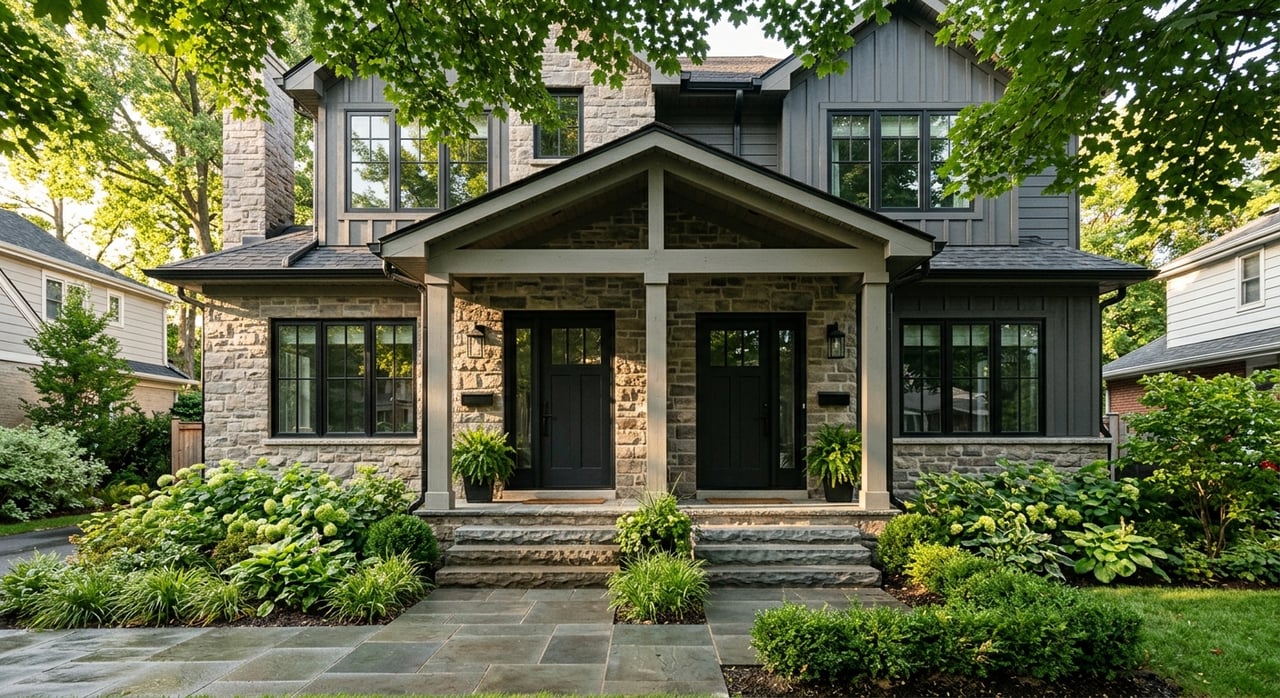
Hyde Park has more variety than many buyers expect. The neighborhood conservation district plan describes Hyde Park as a historic streetcar suburb with low-density single-family homes on tree-lined streets, along with multifamily dwellings near former streetcar routes.
That mix creates several possible investor paths. According to the city’s 2020 neighborhood approximation, Hyde Park included 3,586 detached homes, 537 two-unit structures, 760 three- or four-unit structures, 749 five- to nine-unit structures, 465 ten- to 19-unit structures, 406 twenty- to 49-unit structures, and 472 50+ unit structures. For small investors, that means you may find opportunities in:
A major part of Hyde Park’s character is also one of the biggest factors in your underwriting. A large share of the housing stock is older, with 3,747 units built in 1939 or earlier, plus many more built in the 1950s through 1970s according to the city’s neighborhood data.
For you as an investor, older inventory can create opportunity, but it also raises the importance of inspection scope, rehab budgeting, and ongoing maintenance planning. Mechanical systems, masonry, windows, roofs, and layout limitations can all affect your total cost. In Hyde Park, cosmetic updates alone do not always tell the full story.
Hyde Park is not a neighborhood where you should assume a quick teardown and rebuild is simple. The Hyde Park Neighborhood Conservation District plan sets contextual demolition and replacement standards, and major exterior changes can be more constrained than in a typical suburban market.
That does not mean improvement is off the table. It means your plan should match the regulatory environment before you close. If you are comparing a light renovation, major addition, or redevelopment-style play, the permitting and design path matters almost as much as the purchase price.
For owner-occupants, an accessory dwelling unit may be worth a closer look. The City of Cincinnati allows ADUs in single-family zones, but there are important rules.
Here are the basics:
This setup may appeal to buyers who want flexibility, offset housing costs, or create multigenerational living options while still maintaining an owner-occupied structure.
Hyde Park has a meaningful renter base, even though it is often thought of as a primarily owner-occupied neighborhood. The city’s 2020 approximation counted 2,643 renter-occupied units and 3,989 owner-occupied units out of 6,632 occupied units.
The neighborhood also offers a convenience profile that can support rental demand. City data show a Walk Score of 59, a transit score of 42, a bike score of 46, around 9 bus lines, and about 85 restaurants, bars, and coffee shops. For many renters, that combination can make Hyde Park appealing for day-to-day living.
Rental estimates vary by source, which is common in a neighborhood with a wide range of building types and unit conditions. Still, the available data help set expectations.
Apartments.com reports April 2026 average rents of:
The same source shows year-over-year increases. The research report also notes that RentCafe reported a March 2026 average rent of $1,609, with 60% of rentals falling between $1,001 and $1,500. The takeaway is simple: Hyde Park rents are healthy, but they do not always rise enough to make a high acquisition price pencil out on a pure cash-flow basis.
City data suggest a renter pool shaped by the neighborhood’s income, education, and employment profile. Hyde Park’s 2020 neighborhood approximation showed a median household income of $109,890, along with large numbers of adults holding bachelor’s and graduate or professional degrees.
Employment concentrations were strongest in management, business, science, arts, and in education, health care, and social assistance. Taken together, those figures suggest demand from professionals, dual-income households, and smaller households seeking a neighborhood with access to retail, dining, and established housing options.
This is the key lens for evaluating an investment property in Hyde Park. Because home values are relatively high compared with current rent levels, Hyde Park often makes the most sense as a long-term appreciation and stability play rather than a high-yield cash-flow play.
That does not mean cash flow is impossible. It means your margin for error is smaller. Strong outcomes usually depend on:
If you are looking at Hyde Park, your underwriting should compare several scenarios side by side instead of relying on broad market averages.
Different buyers can succeed in Hyde Park, but the strategy should fit the neighborhood.
A single-family rental in Hyde Park may appeal to investors who value neighborhood quality and long-term upside. This path can work best when you buy a well-located home with limited deferred maintenance and a realistic rent-to-price ratio.
Two-unit and three- to four-unit properties may offer a better balance between income and entry cost. Since the neighborhood includes a documented base of these property types, small multifamily can be one of the more practical ways to improve the numbers.
If you plan to live in one unit, Hyde Park may offer a more manageable entry point. House hacking can help offset ownership costs while letting you benefit from the neighborhood’s long-term demand drivers.
For the right single-family property, an ADU may create useful flexibility. This strategy depends heavily on lot configuration, existing improvements, and compliance with city registration and occupancy rules.
Every neighborhood has tradeoffs, and Hyde Park is no exception. Before you move forward, pay close attention to these issues:
In a neighborhood like Hyde Park, good investing is usually less about finding a hidden bargain and more about avoiding a costly mismatch between price, scope, and exit strategy.
If you are seriously considering Hyde Park, keep your review process disciplined. A strong first-pass analysis should include:
The better your planning on the front end, the less likely you are to get surprised after closing.
Hyde Park is best approached as a neighborhood where you are buying into location, lifestyle convenience, and long-term value. The mix of walkable amenities, established housing stock, limited supply, and active demand can make it appealing for investors who are patient and selective.
If your goal is maximum short-term yield, other neighborhoods may offer stronger initial cash flow. But if you want an investment property in a premium Cincinnati location with strong neighborhood identity and a history of value growth, Hyde Park deserves a close look.
If you want help evaluating a Hyde Park purchase, comparing property types, or pressure-testing the numbers before you commit, connect with Luther Group Real Estate. You will get clear, data-informed guidance tailored to your goals and the realities of this market.
Stay up to date on the latest real estate trends.
We pride ourselves in providing personalized solutions that bring our clients closer to their dream properties and enhance their long-term wealth.
LUTHER GROUP REAL ESTATE
9321 Montgomery Road Cincinnati OH 45242 Coldwell Banker Realty