Indian Hill Estate Lifestyle and Equestrian Living
June 4, 2026
June 4, 2026
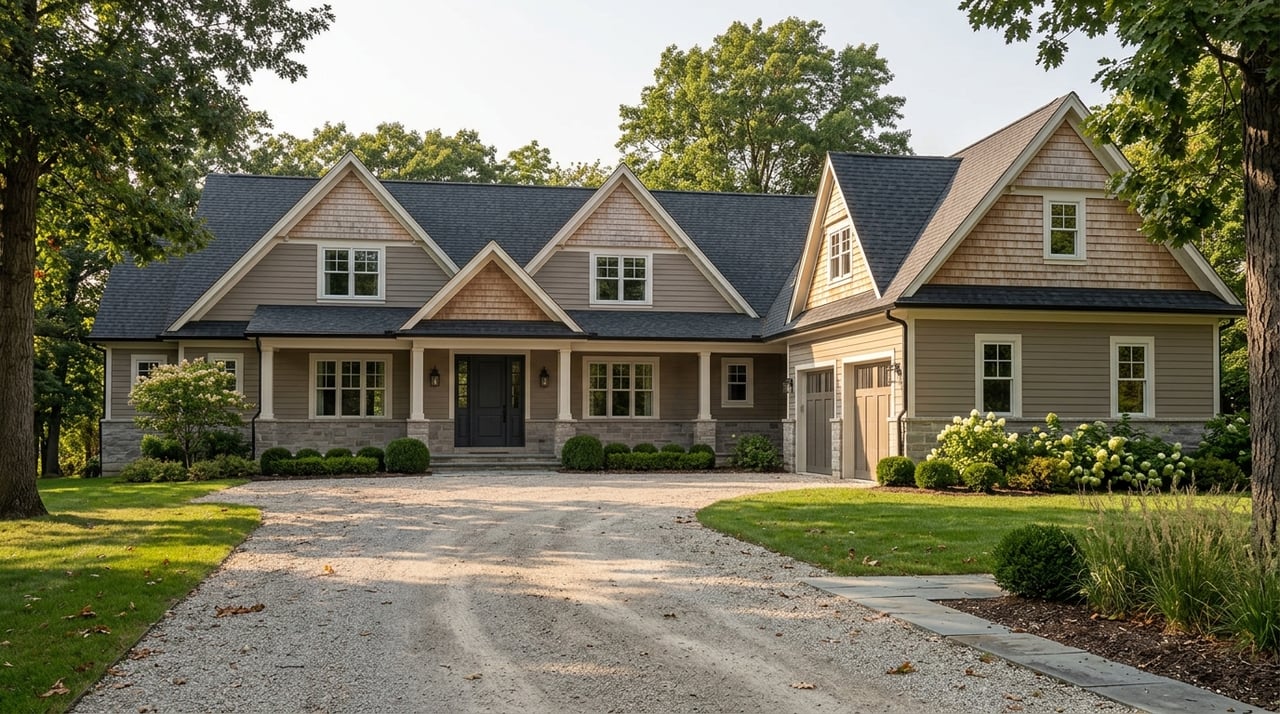
If you are looking for a place where large homesites, open land, and riding culture shape daily life, Indian Hill stands out right away. Many buyers want privacy and room to breathe, but they also want to stay connected to Cincinnati for work, dining, and culture. That balance is a big part of what makes this village so distinctive. In this guide, you will get a clear look at how Indian Hill’s estate pattern and equestrian amenities influence the way people live here. Let’s dive in.
Indian Hill sits about ten miles northeast of Cincinnati, offering a rural atmosphere with access to the amenities of a major city. That setting appeals to buyers who want more land, more separation between homes, and a quieter everyday pace.
The numbers help explain the market’s character. The Village of Indian Hill had an estimated population of 6,114 as of July 1, 2025, with a 96.7% owner-occupied housing rate and a median owner-occupied home value of $1,192,800. Census data also shows a median household income of $234,821 and a population density of 326.1 people per square mile.
Those figures point to a community defined by ownership, long-term residency, and low-density living. If you are comparing Indian Hill with more conventional suburbs, the difference often becomes clear in the amount of land, the spacing between properties, and the overall feeling of privacy.
A major reason Indian Hill feels estate-oriented is its zoning framework. The village zoning code is built around low-density residential and agricultural use, which shapes both the look of the community and the range of properties you may encounter.
For residential lots, the code sets substantial minimum lot sizes in several districts. District A and B require at least 5 acres and 3 acres, while District C requires 1 acre. The code also limits lot coverage, with one section capped at 20% and District C capped at 25%.
In practical terms, those standards support a built environment with larger parcels and more open ground around homes. For buyers, that can mean more room for landscaping, outdoor recreation, accessory buildings, and a greater sense of separation from neighboring properties.
Indian Hill’s zoning ordinance also recognizes a range of accessory structures often associated with estate-style living. These include:
That matters because lifestyle in Indian Hill often extends beyond the main residence. A property here may be as much about how you use the land and outbuildings as it is about square footage inside the home.
For buyers exploring custom homes, tear-down opportunities, or land for a future build, these rules can shape what is feasible on a given parcel. For sellers, these same features can also be part of a property’s overall appeal when presented clearly and strategically.
In many communities, horseback riding is a niche hobby. In Indian Hill, it is woven into the local identity.
The village maintains a substantial bridle trail system through its Public Works operations. The village bridle trails page notes 75 miles of bridle trails, and riders must obtain a bridle trail license. The village also offers annual memberships and guest passes.
The 2024 annual report describes the trail network as 150 lane miles of bridle trails, reinforcing how significant this amenity is within the community. However you measure it, the trail system is one of Indian Hill’s defining features and an important consideration for buyers who want direct access to riding infrastructure.
Indian Hill’s code does more than preserve a rural feel. It explicitly recognizes horse boarding farms and stables as an agricultural use that can operate as an accessory use to a residential or agricultural property owned by the record owner.
That is an important point if you are searching for a home that supports equestrian use. It means the local framework contemplates horse-related property use in a way that aligns with the village’s broader land-use pattern.
Of course, every parcel is different, and property-specific review still matters. If you are evaluating land, an existing estate, or a property with equestrian improvements, a careful review of zoning details and site conditions is essential before making decisions.
The outdoor lifestyle in Indian Hill is not limited to equestrian amenities. The village also offers broad access to parks, preserves, and recreational spaces that support an active, home-centered way of life.
According to the village parks department, Indian Hill has 11 parks with playgrounds, buildings, restrooms, and walking paths. It also includes 9 soccer fields, 9 baseball and softball fields, and 6 lacrosse fields.
The village’s 2024 annual report notes 3,598 acres of park and green area land. That scale of preserved open space plays a major role in the village’s atmosphere and helps explain why Indian Hill feels so different from more densely developed areas.
One of the standout natural amenities is Grand Valley Preserve. The preserve covers 379 acres and includes walking trails, a lake for canoeing and fishing, and opportunities for wildlife viewing.
Access is limited to Indian Hill residents or Indian Hill Water Works residential customers. For residents who value open land and outdoor recreation close to home, that type of amenity adds another layer to the lifestyle appeal.
There is also access to the Little Miami Scenic Trail through Kugler Mill Field. The village notes that this trail is used for hiking, biking, and occasionally horseback riding, giving residents another option for enjoying the area’s natural setting.
Indian Hill’s day-to-day rhythm is shaped by more than large lots and trails. It is also influenced by how the village is structured.
The Rangers department states that there is no business or industry within the jurisdiction because of strict zoning codes. Combined with the community’s parks, green space, and residential land-use pattern, that helps explain why Indian Hill feels more home-centered and outdoor-oriented than retail-centered.
For some buyers, that is exactly the draw. You are not choosing Indian Hill for a walkable commercial district or concentrated mixed-use development. You are choosing it for space, privacy, land, trails, and a residential setting with a distinctly rural character.
Indian Hill’s housing pattern also reflects long-term stability. With a 96.7% owner-occupied rate and local rules that prohibit short-term rentals of fewer than 30 consecutive days, the village supports a more settled ownership environment.
That does not guarantee any future market outcome, but it does help explain the community’s consistent residential character. Buyers who want a setting centered on primary residences rather than short-term turnover often see that as a meaningful advantage.
For many buyers, Indian Hill offers a rare mix of qualities that can be hard to find in one place. You can have acreage, estate-style homes, equestrian access, and extensive green space while remaining within reach of Cincinnati.
You may also find that property searches here require a more detailed approach than in a typical suburban market. Lot size, zoning district, accessory structures, land usability, and trail access can all play a role in whether a home truly fits your goals.
That is especially true if you are considering:
If you own property in Indian Hill, the lifestyle story matters just as much as the physical asset. Buyers are not only evaluating bedrooms, baths, and finishes. They are also weighing acreage, privacy, permitted uses, outdoor amenities, and how a property fits the village’s estate and equestrian identity.
That means marketing should present the full picture. Land, setting, accessory structures, and proximity to trails or preserved green space can all influence how buyers perceive value.
In a market like Indian Hill, strong presentation and careful positioning are especially important for unique homes, larger tracts, and properties with custom or equestrian elements. Those are often higher-consideration purchases, and buyers usually need clear information to move forward with confidence.
If you are thinking about buying or selling in Indian Hill, working with a team that understands estate properties, land, and the nuances of this village can make the process much smoother. Luther Group Real Estate brings local Indian Hill insight, data-informed guidance, and responsive, high-touch service to help you navigate complex decisions with clarity.
Stay up to date on the latest real estate trends.
We pride ourselves in providing personalized solutions that bring our clients closer to their dream properties and enhance their long-term wealth.
LUTHER GROUP REAL ESTATE
9321 Montgomery Road Cincinnati OH 45242 Coldwell Banker Realty